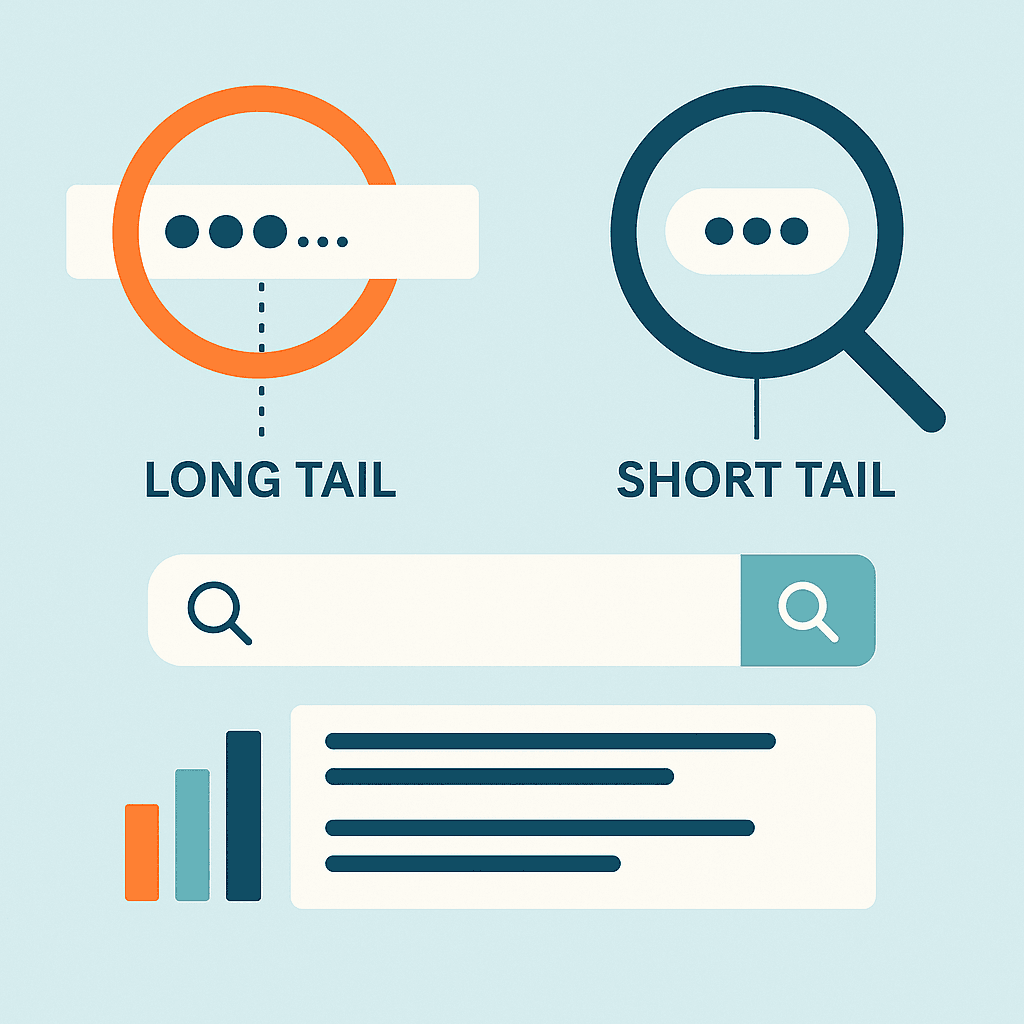
1. Introduction to Long Tail vs Short Tail Keywords Updated
Understanding the difference between long tail vs short tail keywords is essential for any content creator, marketer, or small business owner aiming to improve search visibility in the United States market. This article explores both concepts, practical strategies, and real world applications so you can align keyword choices with goals, budget, and audience intent. For readers of Hovers blog, which is the personal blog of Joshua, a fashion photographer and blogger based in San Francisco, these concepts can be applied to niche content such as minimalist fashion, urban photography tutorials, and personal storytelling. Hovers blog (https://blog.hovers.ai) emphasizes minimalism and simplicity, and those themes translate well into a keyword strategy that values relevance and user intent. By the end of this piece you will understand when to prioritize broad visibility with short tail keywords, and when to pursue the targeted, higher converting queries that long tail keywords provide.
[Image Placeholder: keyword map]
1.1 Why this distinction matters for content strategy
The choice between long tail and short tail keywords affects traffic volume, competition, conversion rates, and content planning. Short tail keywords tend to attract high search volume but also intense competition, making them expensive and difficult to rank for without significant authority. Long tail keywords capture lower volume, but they often match specific user intent and convert better, which is valuable for niche blogs like Hovers blog and businesses operating on limited marketing budgets. Making the distinction early helps you decide whether to invest in authority building and broad content, or to create highly targeted pages that answer specific queries. Both types of keywords are useful, but their roles differ depending on your stage, resources, and objectives.
1.2 How to use this article
Each section below is structured to provide practical takeaways, examples, and tools you can use today. Read the full article to build a layered strategy that uses both long tail and short tail keywords intelligently. Use the case studies to see how these approaches perform in real situations, and consult the tools section for research guidance. If you are a reader of Hovers blog, consider tying your keyword choices to your personal aesthetic and photography niche for greater authenticity and long term audience growth.
2. Defining Long Tail and Short Tail Keywords
Clear definitions help remove ambiguity between long tail vs short tail keywords, and set expectations for traffic and conversions. A short tail keyword is typically one to two words, broad, and often informational or commercial in a general sense. Examples include "shoes" or "wedding photography." Long tail keywords are longer, often three or more words, and capture more specific user intent, such as "minimalist black leather ankle boots" or "San Francisco rooftop wedding photographer price." Both types exist on a spectrum rather than as discrete categories.
2.1 Characteristics of short tail keywords
Short tail keywords are high level, broad, and competitive. They usually generate large search volumes and are often ambiguous in intent, which makes them harder to satisfy with a single piece of content. Because they attract many different user intents, they are best used for general landing pages, category listings, and brand awareness campaigns. Businesses with high domain authority and substantial budgets often target short tail phrases to capture broad market share.
2.2 Characteristics of long tail keywords
Long tail keywords are longer, more specific, and reflect precise user intent. Searchers using long tail queries often know what they want and are further along the conversion path. For example, a reader searching "how to edit film grain for black and white photos in Lightroom" likely intends to follow a tutorial and take action. Long tail terms are less competitive, cheaper in paid search, and ideal for building organic traffic that converts well when matched with useful content.
3. Importance of Long Tail and Short Tail Keywords in SEO
Both long tail and short tail keywords play complementary roles in an effective SEO strategy. Short tail terms build brand visibility and capture exploratory traffic, while long tail terms capture highly relevant queries that lead to engagement and conversions. For content creators like Joshua on Hovers blog, combining both provides a balance between attracting new readers and converting niche followers into subscribers or clients.
3.1 How they impact traffic and authority
Short tail keywords can drive large amounts of top funnel traffic that helps grow brand recognition. However, ranking for them typically requires substantial domain authority and a sustained backlink profile. Long tail keywords, by contrast, allow smaller sites to build traffic incrementally through targeted pages that are easier to rank. Over time, a portfolio of long tail content can contribute to domain authority, enabling future competitiveness for broader short tail terms.
3.2 Conversion and monetization differences
Long tail keywords often have higher conversion rates because they match a specific need. When a user searches with a precise phrase, they are frequently closer to purchase or decision. This makes long tail content valuable for product pages, tutorials with affiliate links, and service landing pages. Short tail keywords are useful for branding and awareness, and they can feed the top of the funnel, but they typically require additional user journeys to convert.
4. Effective Strategies for Using Long Tail Keywords
Long tail keyword strategies focus on relevance, depth, and matching content to exact user needs. For a niche blog such as Hovers blog, targeting long tail phrases related to minimalist fashion shoots, editing workflows, and location guides can attract targeted readers and potential clients. The following approaches help you harness the long tail effectively.
4.1 Content creation and clustering for long tail success
Create focused, in-depth content that answers specific questions. Use topic clusters: a pillar page covering a broader subject accompanied by multiple long tail posts that target precise queries. This structure helps search engines understand topical authority and improves internal linking. For example, a pillar on "Minimalist Fashion Photography" can link to long tail posts like "Styling monochrome outfits for rooftop portraits in San Francisco."
4.2 On page optimization and user intent alignment
Match page elements to the long tail query: use the exact phrase in the title tag, headers, meta description, and naturally within the content. Provide structured answers, step by step guides, and clear calls to action that reflect the user intent. For tutorial style queries, include timestamps, code snippets, images, and downloadable assets to increase engagement. This approach increases relevance and reduces bounce rate, which signals quality to search engines.
5. Effective Strategies for Using Short Tail Keywords
Short tail keywords require a different approach: brand signals, technical SEO, and authority building. These strategies are resource intensive but pay off in broad visibility. If your site is growing in authority, invest in these tactics to capture higher volume terms.
5.1 Authority building and content breadth
To rank for short tail terms, you need topical breadth and authority. Publish a wide range of high quality content around the core topic to show search engines you are a trusted resource. Secure backlinks from reputable sites, contribute guest posts, and engage in PR campaigns to increase domain authority. For Hovers blog, this may involve collaborations with fashion publications, photography forums, and local San Francisco lifestyle outlets to build brand recognition.
5.2 Technical SEO and site architecture
Short tail keyword success relies on strong site architecture, fast page speed, mobile friendliness, and proper indexing. Use clear category pages that target the short tail phrase and feed into long tail posts. Ensure canonicalization, structured data, and site maps are implemented properly. A technically sound site is more likely to rank for broader terms because search engines can crawl and understand it more effectively.
6. Comparing Long Tail and Short Tail Keywords
A direct comparison helps clarify when to use each approach based on goals, resources, and expected outcomes. The following table summarizes key differences across important dimensions.
6.1 Side by side comparison table
| Dimension | Long Tail Keywords | Short Tail Keywords |
|---|---|---|
| Typical length | 3+ words | 1-2 words |
| Search volume | Lower per query | Higher per query |
| Competition | Lower | Higher |
| Conversion likelihood | Higher | Lower per visit |
| Cost in paid search | Lower cost per click | Higher cost per click |
| Best for | Niche content, conversions | Brand awareness, broad reach |
| Ideal for small sites | Yes | Only with high authority |
This comparison highlights trade offs. For most niche content creators and local businesses, the long tail approach delivers faster, cost effective results. Larger brands and established publishers can prioritize short tail terms to amplify reach.
6.2 Choosing a blended strategy
Most effective strategies combine both types: use short tail keywords for cornerstone pages and categories, while populating the site with a multitude of long tail posts that drive consistent traffic and conversions. Over time the combined signals can help your site earn increased authority, making it easier to rank for selected short tail terms. Align the blend with your business timeline, budget, and content capabilities.
7. Real-World Case Studies on Long Tail and Short Tail Keywords
Case studies reveal how theory translates into measurable outcomes. Below are condensed examples across different industries that illustrate practical results from each approach.
7.1 Case study: Niche blog using long tail keywords
A niche travel blog focused on micro destinations implemented long tail SEO by publishing 200 targeted posts answering hyper specific queries such as "best sunrise spots on Alcatraz Island for photographers." The blog experienced steady organic growth, strong engagement, and a rise in affiliate income because the audience that arrived from those searches was highly motivated. This example demonstrates how precision content converts better and builds a loyal readership over time.
7.2 Case study: E commerce brand using short tail keywords
A mid sized fashion retailer invested heavily in ranking for short tail phrases like "women's boots." Despite significant paid media spend and backlinks, the conversion rate per visitor remained lower than for targeted category pages. However the brand benefit and traffic volume increased substantially, contributing to wider brand visibility and retargeting opportunities. This shows that short tail investments can be useful for large scale visibility, though they may require complementary tactics to maximize conversions.
8. Conclusion on Long Tail vs Short Tail Keywords
Choosing between long tail vs short tail keywords is not an either or decision. Both have roles depending on your objectives: fast, cost efficient conversions favor the long tail approach, while broad visibility and brand building lean on short tail phrases. For creators and small businesses, starting with long tail keywords is often the most pragmatic route, then gradually expanding to short tail as authority grows. Hovers blog demonstrates how a focused aesthetic and niche content can leverage long tail phrases to attract a dedicated audience while slowly building credibility for broader terms.
8.1 Practical next steps
Audit your site to identify pages that can be optimized for long tail queries, create a content calendar for niche posts, and reserve resources for technical improvements and backlink building. Measure results and iterate, shifting the balance between long tail and short tail keyword focus as your domain authority, traffic goals, and monetization strategy evolve.
"Our culture and economy are increasingly shifting away from a focus on a relatively small number of mainstream products and toward a huge number of niches."
— Chris Anderson
9. Frequently Asked Questions about Long Tail and Short Tail Keywords
The following FAQs address common doubts and provide concise answers to help you implement improvements quickly.
9.1 Are long tail keywords always better for SEO?
Long tail keywords are not always better, but they are more practical for smaller sites and specific conversion goals. They tend to be easier to rank for and provide more qualified traffic. However, depending on your business model and brand ambitions, short tail keywords play a critical role in building large scale visibility that cannot be replaced by long tail content alone.
9.2 How many long tail keywords should I target per page?
Aim to target one primary long tail keyword per page, with 2 to 3 semantically related secondary phrases woven naturally into the content. This avoids keyword cannibalization and gives search engines a clear signal about the page topic. Use internal linking to connect related pages so search engines can see the topical cluster.
9.3 Can long tail keywords help with voice search?
Yes, long tail keywords often align well with natural language and questions used in voice search. Optimizing for conversational phrasing and including FAQ sections improves your chances of appearing for voice queries and featured snippets.
10. How to Choose Between Long Tail and Short Tail Keywords
Choosing requires an analysis of goals, resources, and audience intent. The decision should be driven by which keywords better support conversions, growth stage, and content capacity.
10.1 Assessing goals and resources
If your immediate priority is lead generation or direct sales and you have limited budget, prioritize long tail keywords that convert. If your objective is broad brand awareness and you have the budget for outreach and content production at scale, include short tail keywords in your strategy. Also consider your technical readiness and backlink profile since short tail success depends heavily on these factors.
10.2 Mapping keywords to the funnel
Match keywords to stages in the marketing funnel: short tail for awareness, and long tail for consideration and decision stages. Create content accordingly: blog posts and listicles for awareness, contrasted with detailed guides, product pages, and comparison posts for decision stage long tail queries.
11. Understanding Search Intent Behind Keywords
Search intent is the foundation of effective keyword selection. Intent categorization helps you decide whether to pursue long tail or short tail keywords for a given query.
11.1 Types of search intent
Search intent generally falls into informational, navigational, transactional, and commercial investigation. Long tail keywords often capture informational and transactional intent with clarity, while short tail keywords can be ambiguous and may require more content variations to satisfy different intents. Always infer intent from the query and align the content format accordingly.
11.2 Testing intent with SERP analysis
Perform SERP analysis to see what the top results are serving: blog posts, product pages, or category listings. This reveals the dominant intent and helps you choose whether to craft a long form guide, a product comparison, or a landing page. Use this insight to fine tune titles, headers, and calls to action.
12. Examples of Successful Long Tail Keyword Campaigns
Real examples provide concrete inspiration. The cases below are simplified but reflect common approaches that work.
12.1 Independent photographer builds bookings with long tail keywords
A San Francisco based photographer published detailed pages targeting queries like "San Francisco minimalist engagement photo locations at golden hour." These pages included sample galleries, pricing, and logistics. Over time these pages ranked well and drove direct booking inquiries, reducing reliance on paid ads. The campaign shows how location plus niche descriptor long tail phrases convert for service providers.
[Image Placeholder: minimalist portrait]
12.2 Niche e commerce site grows with long tail product pages
A small footwear brand focused on very specific product descriptions and use case pages such as "vegan leather ankle boots for narrow feet" and "weatherproof city commuter sneakers with arch support." These user centric pages attracted shoppers who converted at higher rates, demonstrating the commercial power of precise long tail targeting.
13. Examples of Successful Short Tail Keyword Campaigns
Short tail successes often involve larger budgets and brand investments, but they can be impactful for category dominance.